Asset
Name what you are making and where it will be used.
Practical prompt writing
Learn how to structure prompts, preserve important details in edits, guide reference images, and improve one change at a time.
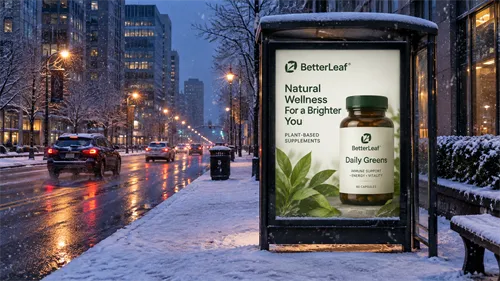
Edit the uploaded billboard image to show the same scene during a quiet winter evening. Change only the season, weather, and time of day. Add light snowfall, fresh snow on nearby surfaces, cool blue evening light, and warm streetlight reflections. Keep the product, billboard design, exact wording, typography, colors, layout, camera angle, and composition unchanged.
A reusable structure
Treat the prompt as a short creative brief. Add only the parts your image needs, and keep the most important visual requirements easy to find.
Name what you are making and where it will be used.
Describe the main person, product, object, or idea.
Set the location, action, time, and surrounding details.
Choose framing, camera angle, hierarchy, and negative space.
Describe lighting, color, materials, texture, and medium.
Put exact copy in quotes and define its placement and style.
State what must stay fixed and what must not appear.
Copy this template
Create a [type of asset] for [use]. Show [subject] in [scene]. Use [composition], [lighting], [materials], and [style]. Include "[exact text]" with [placement and frequency]. Preserve [fixed details]. Do not add [exclusions].
Start with a generation template for a new visual. Use the editing template when an uploaded image already contains details you want to keep.
Use this structure when you are starting from an idea rather than an existing image.
Create a [type of asset] featuring [subject] in [setting]. Use [composition], [lighting], and [visual style]. Include the exact text "[copy]" in [location]. Avoid [unwanted elements].
Name the change first, then state which approved details should remain unchanged.
Using the uploaded image, change only [target element]. Keep [identity, pose, composition, lighting, and background] unchanged. Match the existing [style, perspective, and texture].
These rules cover prompt structure, readable text, reference images, focused edits, consistent results, and useful iteration.
Start with the asset you need: a product photo, poster, diagram, interface, transparent cutout, or focused edit.
Use concrete lighting, materials, colors, framing, texture, and actions instead of vague quality words.
State subject placement, camera distance, angle, scale, hierarchy, and where open space should remain.
Place required wording in quotation marks. Say where it belongs, how often it appears, and whether extra text is allowed.
For edits, list the requested change separately from the identity, geometry, layout, lighting, or labels that must stay the same.
Identify each reference by number and explain whether it controls the subject, product, clothing, style, layout, or background.
Choose model, quality, size, background, and output format in the generator controls instead of hiding them in the prompt.
Use the approved output as the next input, make one focused adjustment, and repeat critical preservation rules.
Each example demonstrates one prompt pattern. Adapt the subject and details while keeping the structure that makes the request clear.
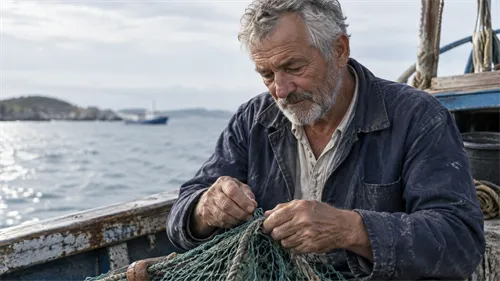
Describe the subject, framing, light, lens cues, texture, and the retouching you do not want.
Create a photorealistic editorial portrait of an elderly sailor repairing a fishing net on a small wooden boat. Show him from the waist up at eye level in soft coastal daylight. Use a 50mm lens, shallow depth of field, realistic skin and fabric texture, subtle film grain, and restrained natural colors. Keep the moment candid and unposed. Do not add text, logos, heavy retouching, or watermarks.
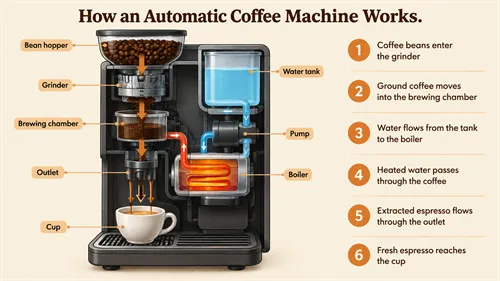
Name the process, audience, components, direction of flow, and information that must remain readable.
Create a polished vertical infographic titled How an Automatic Coffee Machine Works. Show a cutaway machine and explain the process in six numbered steps, from grinding the beans to pouring espresso into the cup. Label the bean hopper, grinder, brewing chamber, water tank, boiler, pump, outlet, and cup. Use clear arrows, readable text, warm cream, dark brown, and muted orange.
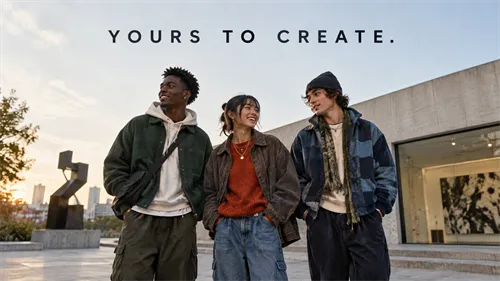
Quote approved copy, define its hierarchy, and reject extra words, logos, and watermarks.
Create a vertical streetwear campaign advertisement featuring three young adult friends outside a contemporary city art space. Use natural poses, soft late-afternoon light, realistic skin texture, subtle film grain, and premium fashion photography. Add the exact headline "YOURS TO CREATE." once at the top in bold uppercase sans-serif type. Do not include other words, logos, or watermarks.

Describe the product as a working interface with real sections, spacing, hierarchy, and usable controls.
Create a realistic mobile app interface for discovering a local farmers market. Show Market Day, a Portland location selector, search, a featured market, vendor cards, today's specials, hours, and bottom navigation. Use a warm white background, forest green accents, soft terracotta highlights, clean typography, practical spacing, and readable text.
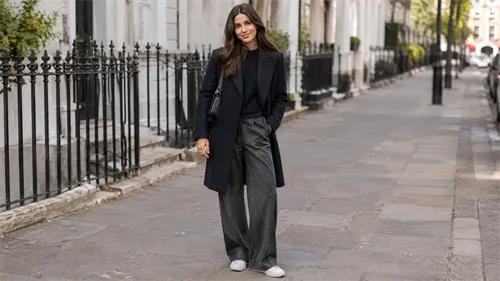
Say exactly what changes, then state which identity, pose, background, camera, and lighting details should remain unchanged.
Edit the person in image 1 using the clothing references. Replace only the jacket with the navy tailored wool coat from image 2 and the pants with the charcoal wide-leg trousers from image 3. Preserve the person's face, identity, skin tone, hairstyle, expression, body proportions, hands, pose, background, framing, camera position, and lighting.
After a strong first result, request one narrow change and keep the approved composition and text.
Edit the uploaded billboard image to show the same scene during a quiet winter evening. Change only the season, weather, and time of day. Add light snowfall, fresh snow on nearby surfaces, cool blue evening light, and warm streetlight reflections. Keep the product, billboard design, exact wording, typography, colors, layout, camera angle, and composition unchanged.
Focused editing
A useful editing prompt has two clear parts. First define the edit target. Then state which approved details should remain stable.
Change only the jacket from black leather to a navy wool coat with a clean tailored fit.
Keep the face, expression, pose, body shape, hands, background, framing, camera angle, and lighting unchanged.
Label inputs by number: "Use image 1 for the person's identity, image 2 for the jacket, and image 3 for the color palette. Do not transfer the background from images 2 or 3."
Use Flare for early drafts, prompt tests, and quick creative variations when speed matters most.
Use Sunburst when you need richer visual detail, closer reference handling, or a more focused image edit.
Describe an isolated subject with clean edges and no surrounding scene. Choose a transparent background in the generator and use PNG or WebP when you need alpha transparency.
Weak
Make a product photo of this bottle.
Better
Create a front-facing studio photo of the uploaded perfume bottle on dark marble. Use soft side lighting and a subtle reflection. Preserve the bottle shape, label, logo, and cap design.
Most weak results come from unclear priorities, missing preservation rules, or too many changes in one request.
Give the image a job, subject, and composition before adding mood or style words.
Choose one clear visual direction instead of mixing incompatible media and lighting.
Use "change only" and follow it with a separate list of details to preserve.
Label each input and state exactly what should transfer from it.
Quote the copy, define placement and hierarchy, reject extra text, and check the result.
Revise one meaningful variable per turn so you can see what improved or drifted.
Put these techniques into practice. Start with a clear description, add references when needed, and refine one detail at a time.
Generate an imageQuick answers about prompt length, editing, reference images, exact text, and model choice.
Try GPT Image 2.5Start with the asset, subject, scene, composition, visual direction, exact text, references, and constraints. For an edit, separate what should change from what must stay the same.
No. Use the shortest prompt that makes the result clear. Add labeled sections when the request includes several subjects, references, text requirements, or preservation rules.
Name the edit target first. Then list the identity, geometry, composition, lighting, text, labels, and surrounding details that must remain unchanged.
Number the references and assign each one a role, such as subject identity, product, clothing, composition, lighting, style, or background.
Put the exact wording in quotes, specify placement and typography, say how many times it should appear, ask for no extra text, and verify spelling after generation.
Start with Flare when speed matters. Use Sunburst when a demanding generation or edit needs more detail or control, then compare both with the same prompt and settings.